
Basement insulation in Santa Cruz CA - warmer walls, dampness sorted first
Cold floors upstairs and a basement that smells musty? We deal with the dampness first, then insulate so the warmth stays in.
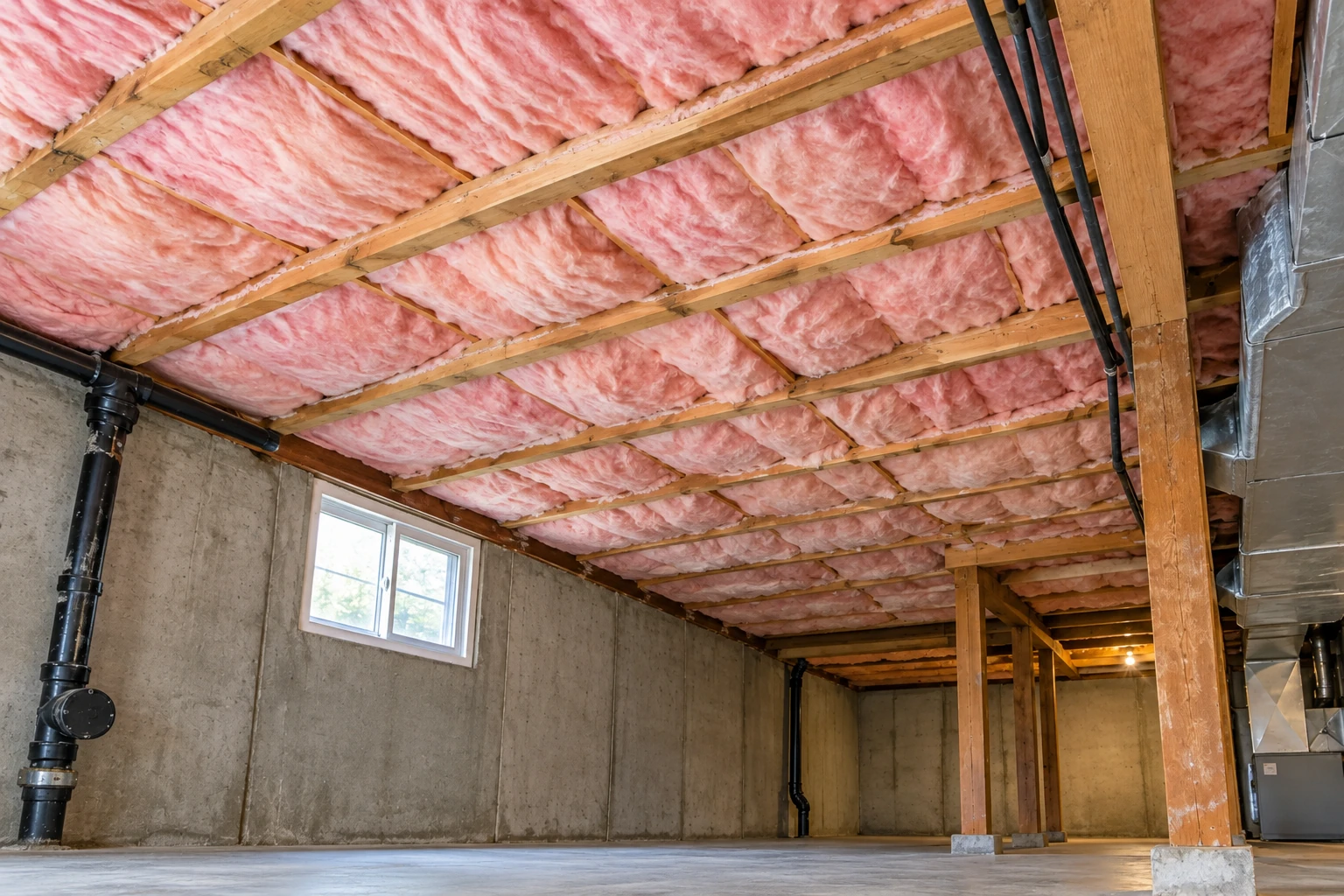
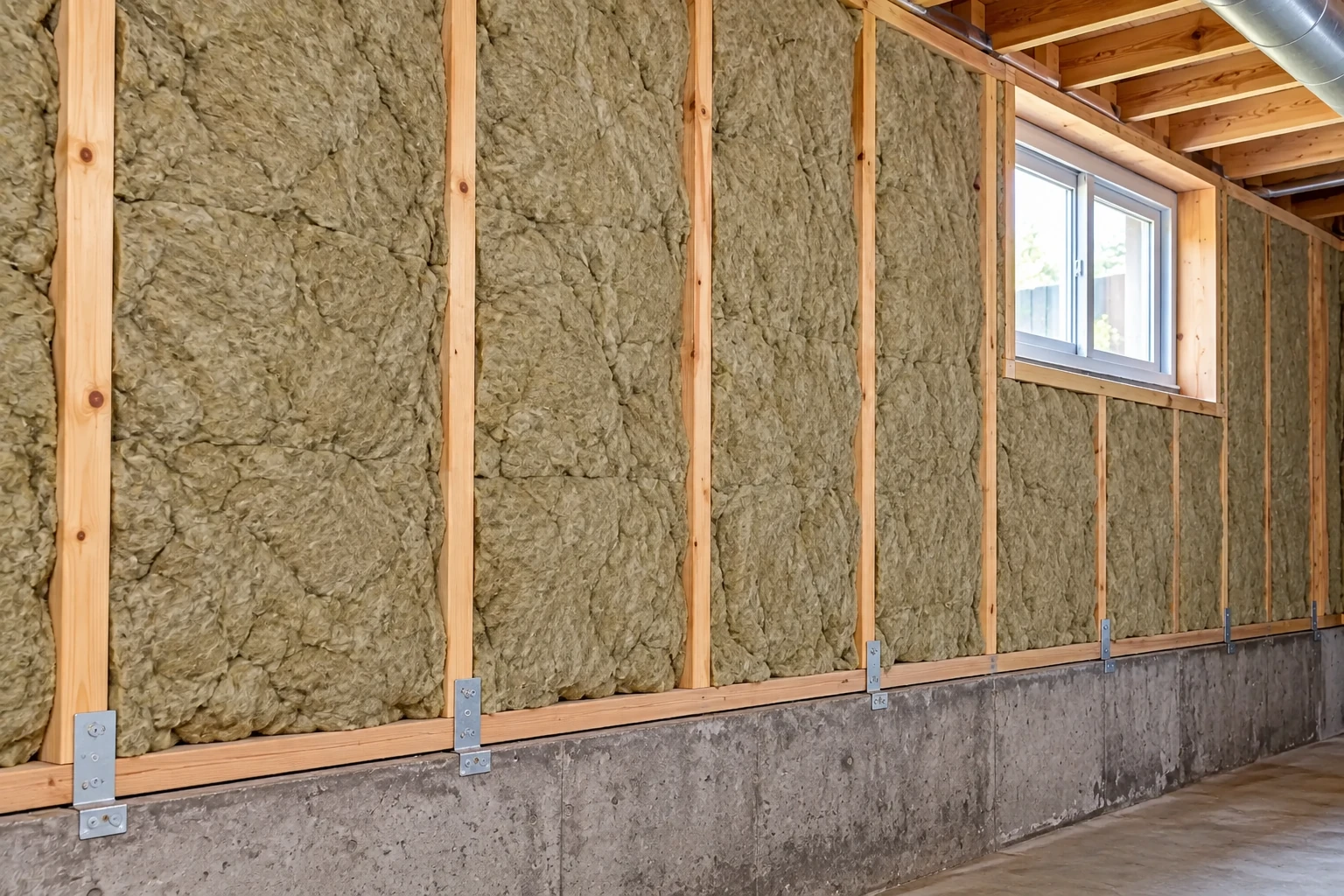
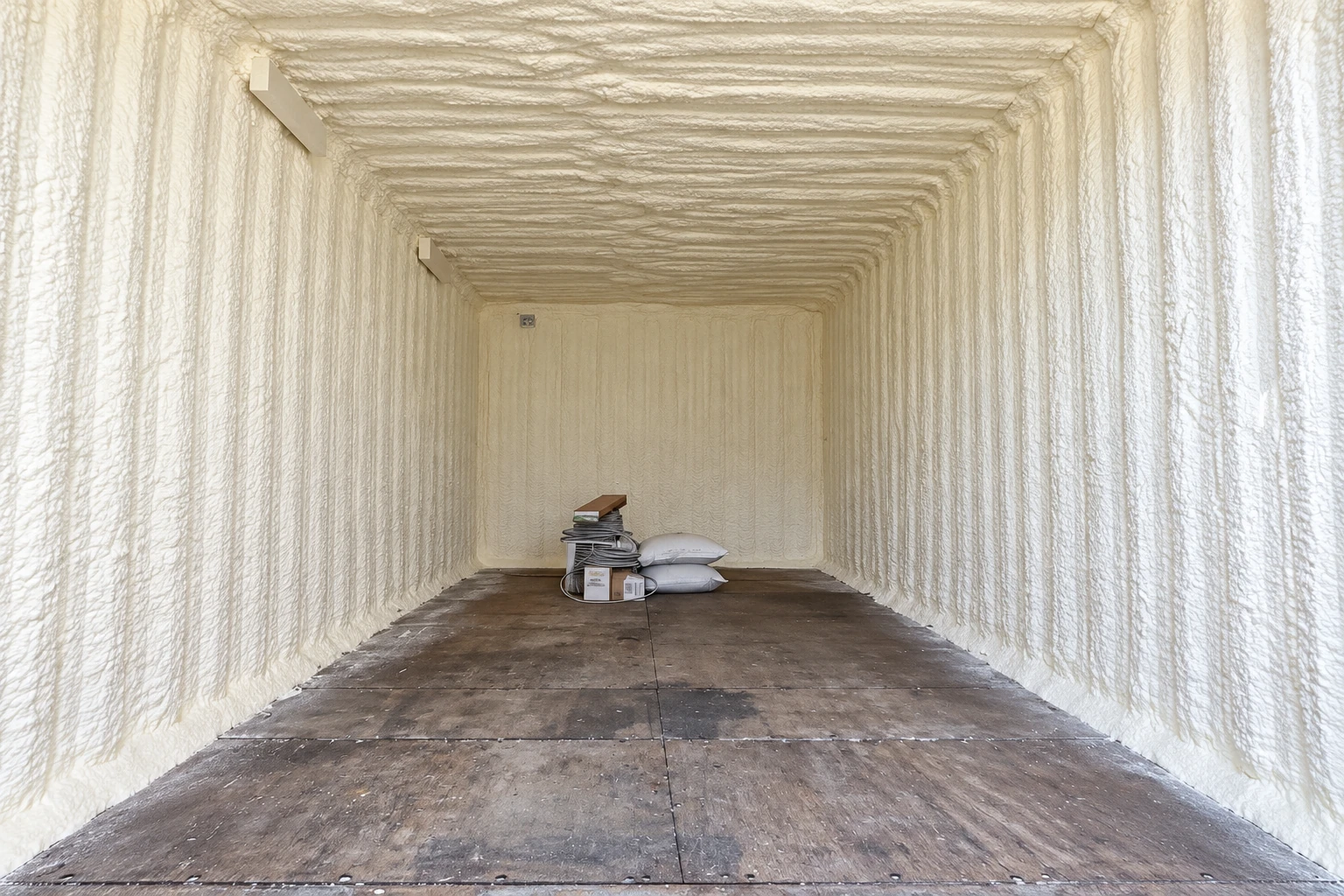
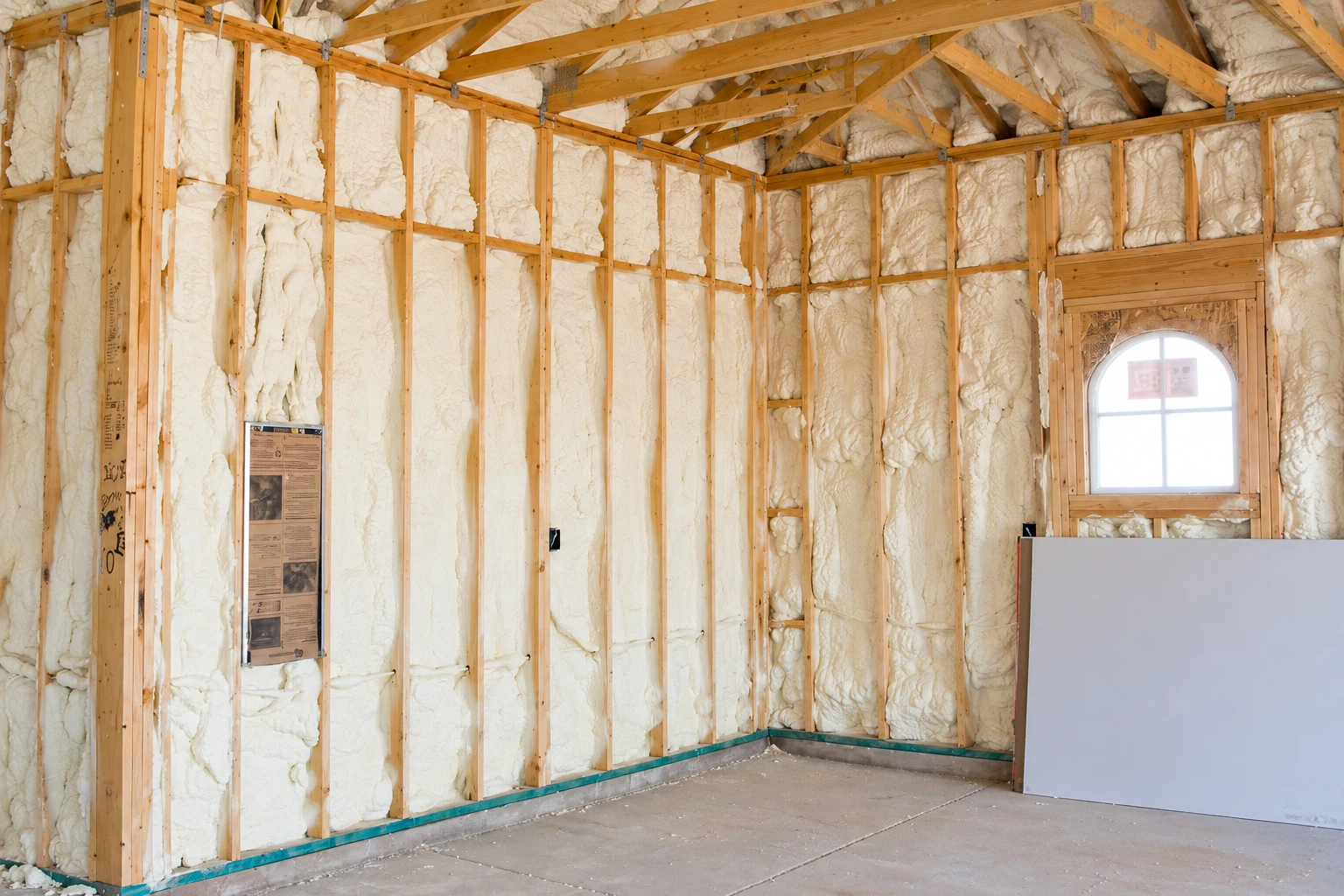
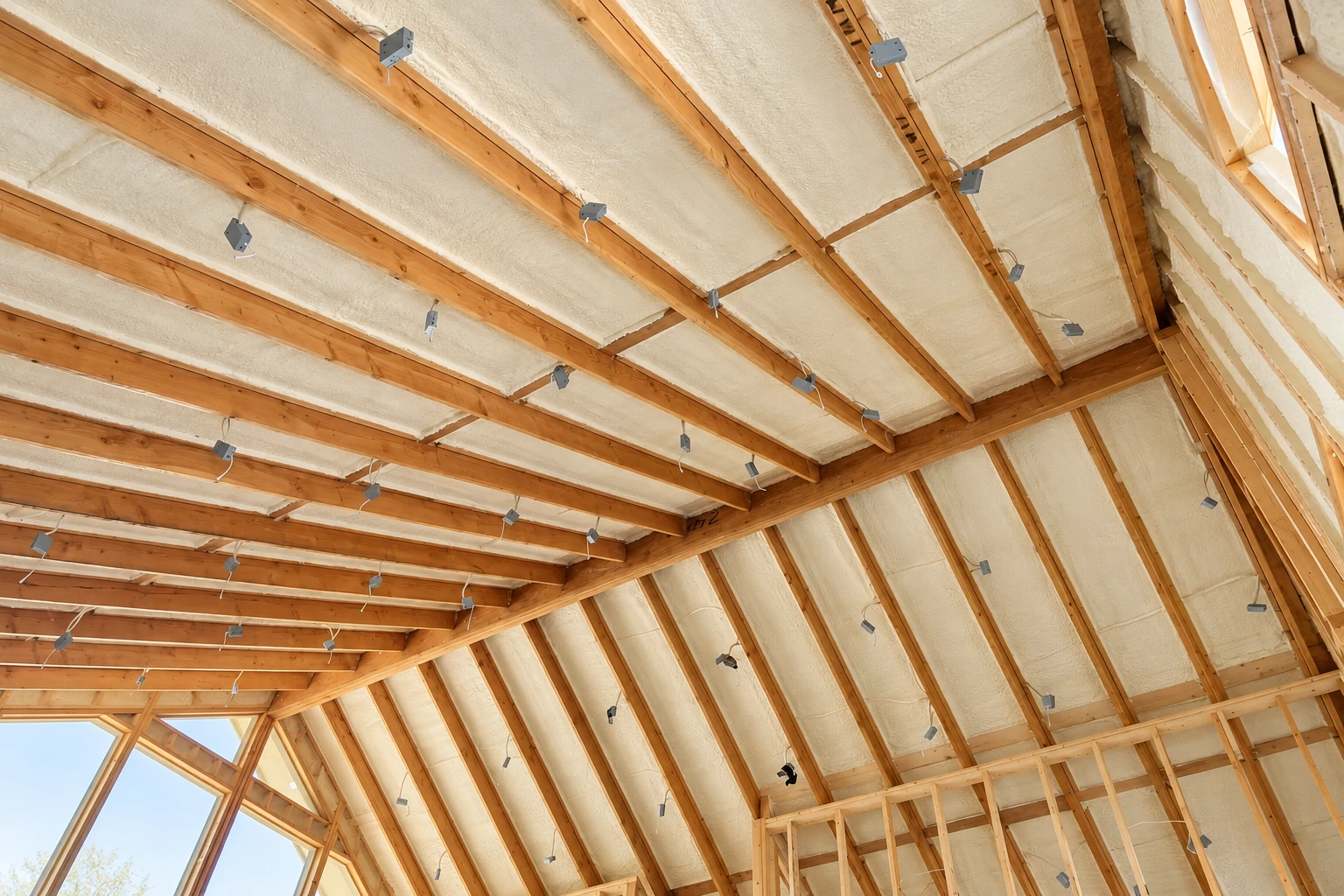
What's involved in insulating a basement in Santa Cruz?
Basement insulation in Santa Cruz means lining your foundation walls with rigid foam boards or spray foam. It can also mean putting rigid board on the outside of those walls, so the space under your house holds heat instead of losing it through the concrete and the floors above stop feeling so cold.
A lot of the basements I see sit under older homes, and the call usually starts with cold floors upstairs, a musty smell, or plans to turn the space into a real room. The price mostly comes down to how much wall there is, which material fits, and how much moisture work has to happen first. The schedule turns on that same dampness and on whether a permit is needed. We check with the city or county office that covers your address, and when a permit is needed we take care of it and tell you up front. If your house sits over a crawl space instead, that's a different job, and our crawl space insulation page walks through it. Your own number comes from the estimate, once I've seen the space.
How we handle basement insulation, start to finish
I start by looking for dampness, because new insulation over a wet wall just hides the problem. That means damp spots, a musty smell, white crust on the concrete and stains near the floor, and if we find any, we sort that out before we talk materials. Next I ask how you plan to use the space, since a future guest room or office calls for something different than a basement that only holds the water heater and the holiday boxes. Once the order is right, our installers seal the gaps around pipes and wires so the insulation isn't fighting a draft, line the walls, cover anything that needs covering, and clean up before they leave.
Most basement jobs come down to rigid foam board or spray foam. If spray foam is the right fit, the choice is between closed-cell foam insulation, a dense foam that blocks moisture, and open-cell foam insulation, a lighter, softer foam. Closed-cell usually costs more, and I'll tell you plainly when a cheaper route makes more sense for how you'll use the room. The questions further down cover how each one handles moisture.
Why Santa Cruz homeowners call us about their basements
I come out for every estimate
I walk every basement myself, and our installers do the work with me checking in on the job. The person who heard about your damp corner and your plans for the room is the one keeping an eye on how it gets done.
Insulating homes here since 2023
I painted houses for years and kept finding cold, drafty rooms no coat of paint could fix, so I learned insulation on other crews and started this business in Santa Cruz in 2023. That's why I'd rather explain what's going on in your basement before anyone picks up a tool.
Licensed and fully insured in California
California's state licensing board counts anyone who installs insulation for temperature or sound control as an insulation contractor, so that's the work a license should cover. We're licensed and fully insured, and you're welcome to ask about it when I come out.
Based in Santa Cruz, working countywide
We're based in Santa Cruz and work across the county and the cities around it, from Aptos to Watsonville and over the hill in the South Bay. Most of our calls come from owners of older homes and people getting ready for a remodel, so a basement that's been through a few decades of wet winters is familiar ground.
Getting the order right matters more here than the brand of foam, so the next step is having me look at your basement. Call (831) 201-6061 or send us a message and I'll set a time to come out.
Get a free on-site estimate for your basement
We reply to every call and message within one business day, and then I set a time to come look at your basement myself. Estimates are free and done on site, with no pressure and no obligation. If you can, tell us about any damp spots, foundation cracks, a furnace or water heater down there, and how you'd like to use the space.
What basement insulation looks like
Questions before you insulate your basement
How much does basement insulation cost in Santa Cruz?
Across the US, basement insulation usually costs about $1,500 to $6,500 per job, and that's the typical market range, not our price. Where your basement lands depends on the wall area, material and moisture work I mentioned up top. I'll give you your own number once I've seen the space.
Do I need to fix basement moisture before insulating?
Yes, deal with the dampness first. The Department of Energy's basement guidance warns that insulating walls without managing moisture can hide problems, and in some cases traps water in the wall and makes things worse. The same goes for cracks or settling, so bring up any foundation concerns before the walls get covered.
What is the best way to insulate basement walls against moisture?
Closed-cell spray foam gives the best moisture control of any insulation used on the inside of foundation walls, according to that same federal guidance, while open-cell foam has to go on thicker to block vapor. Rigid foam boards also work when they're stuck fully to the concrete with no air gaps and every seam sealed, and the guidance keeps fiberglass batts and cellulose off the foundation wall. Spray foam must be covered with ignition-barrier paint or drywall, so ask which covering a quote includes.
Should I insulate my basement ceiling or the walls?
If you plan to use the basement as living space, insulate the walls. The federal guidance says to insulate a basement ceiling only when the home is in a dry climate and the basement won't be living space. That's why how you'll use the room is one of the first things I ask.
How do I make sure my furnace and water heater are safe after insulating the basement?
Have any fuel-burning appliance down there checked before the basement is sealed and insulated, and again afterward, to confirm it runs properly and safely. Sealing a basement changes how air moves around a gas furnace or water heater, which is why the guidance puts that check at both ends of the job. Tell me what's down there when we talk, so it's part of the plan from the start.
What climate zone is Santa Cruz in for insulation?
Santa Cruz County is split between California's Climate Zone 3 and Climate Zone 4, so the answer depends on exactly where your house sits. The county's energy standards page says to use your exact project site details to settle which zone applies, since the minimum requirements change with it. Several state energy code standards depend on the zone, including the ones for envelope materials, the walls, floors and roof that wrap the house.
Foam options worth comparing
- Closed-cell foam insulation
Start here if your concrete runs cool and damp and you want one layer that both insulates and holds back moisture.
- Open-cell foam insulation
Worth a look if you're weighing foam types and want to see where the lighter, less costly foam fits in a house.