
Closed-cell foam insulation in Santa Cruz CA - a tight roof space that handles moisture
Drafty cathedral ceiling, a hot room over the garage or a damp spot under the roof? Dense foam seals the air and won't soak up water.
Is closed-cell foam the right insulation for my house?
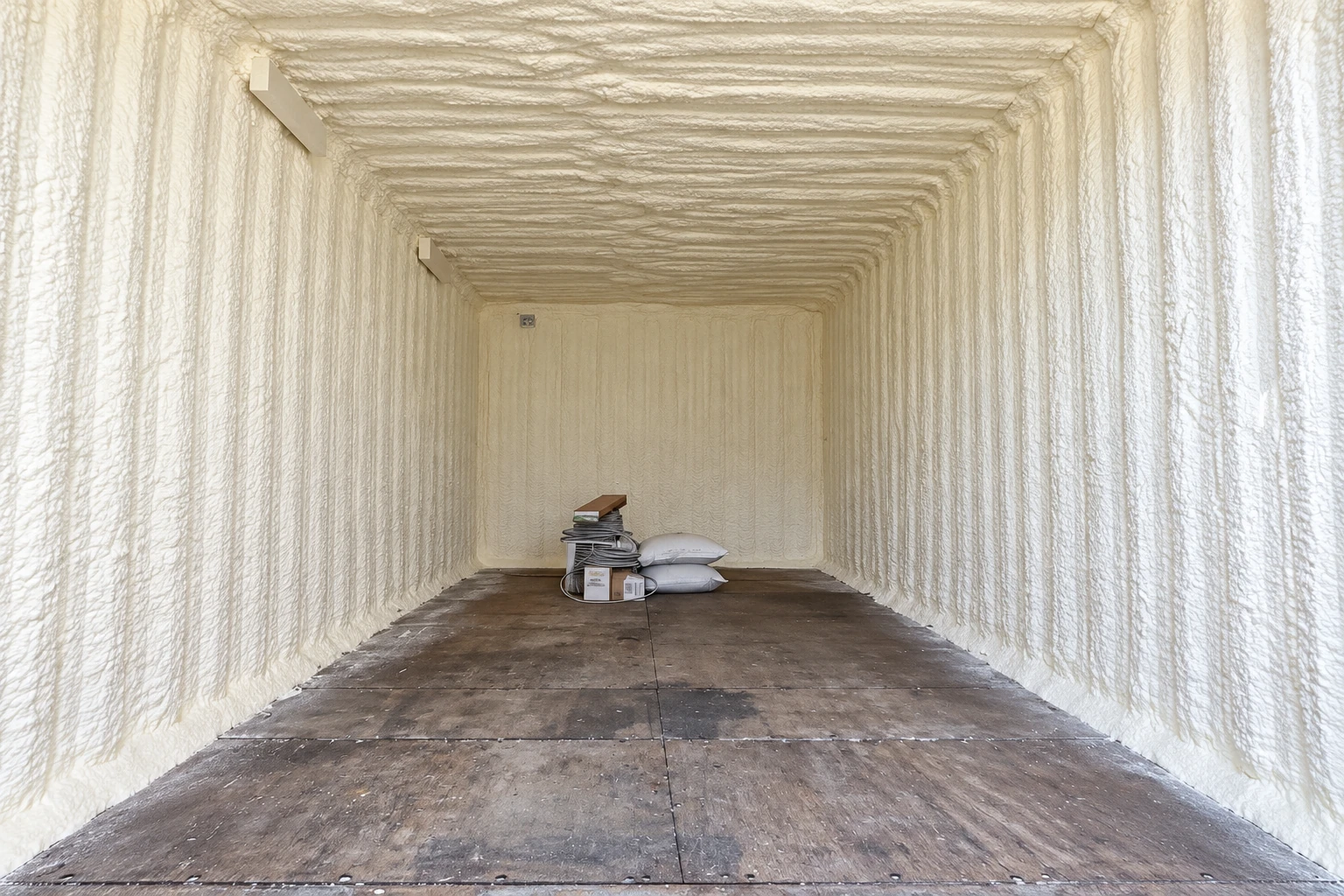
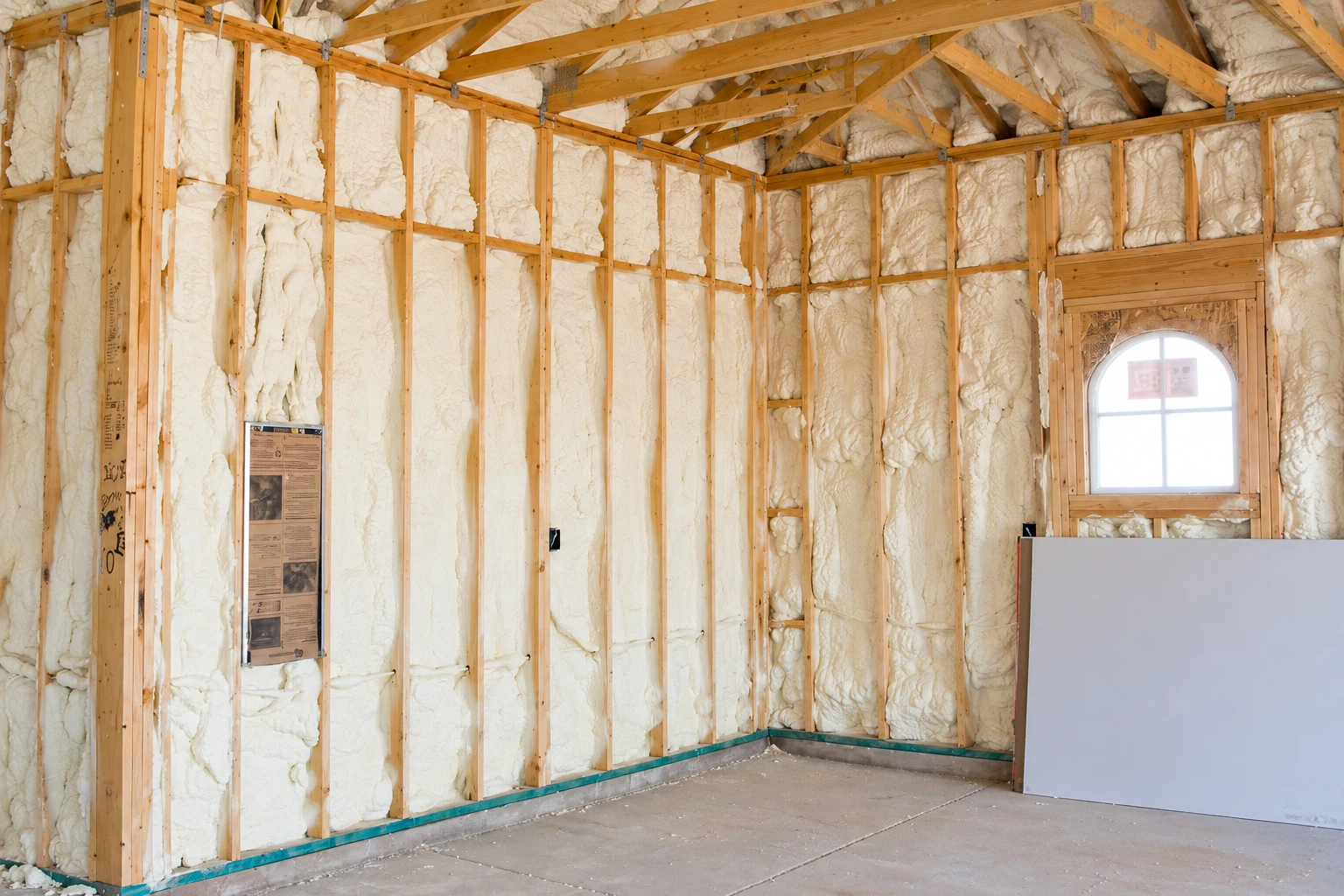
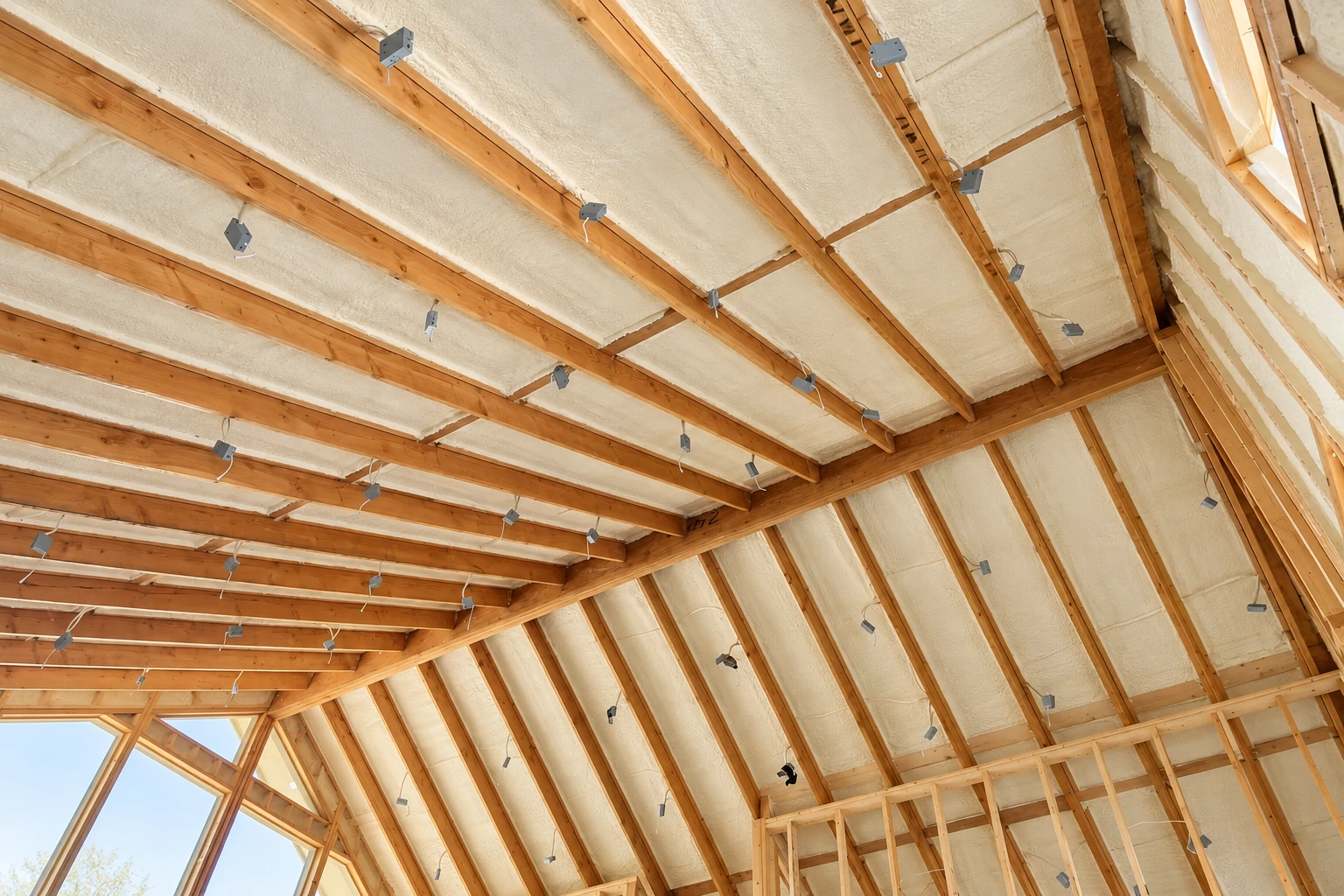
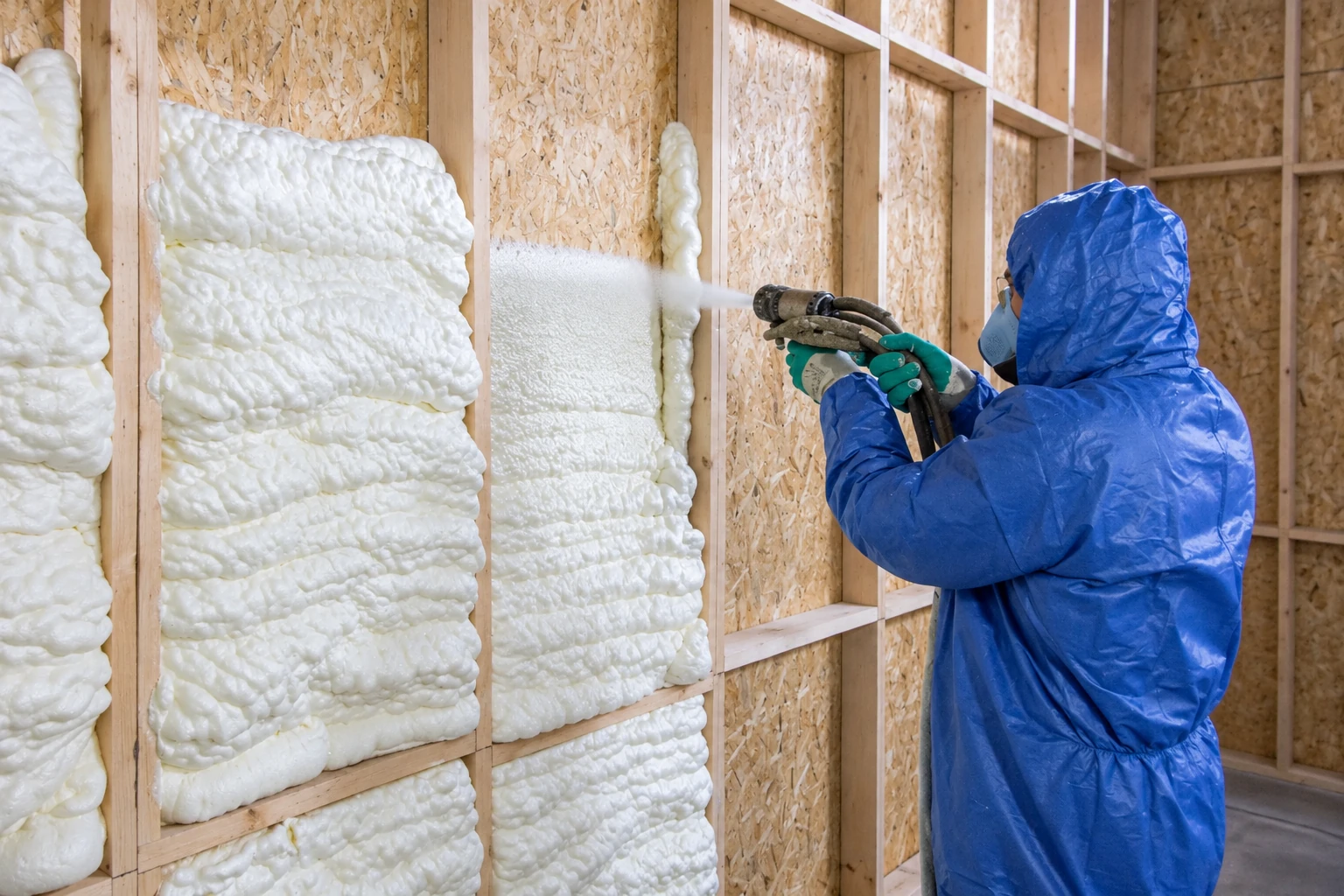
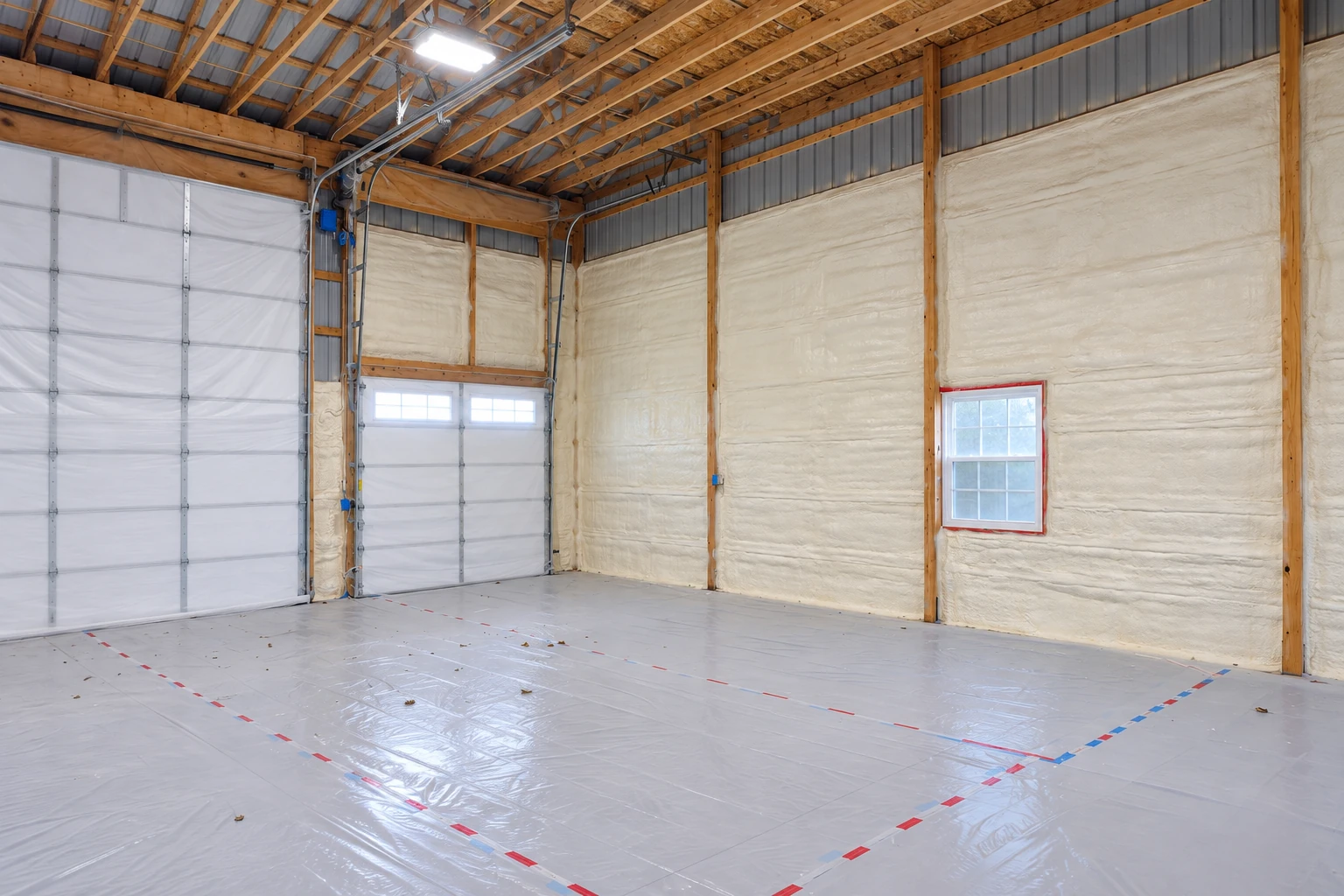
Closed-cell foam insulation is a dense spray foam that sets rigid, seals air gaps as it insulates and won't absorb water. In Santa Cruz, we use it where moisture is a problem or where a roof space has no room for vents or regular insulation.
Most people call about closed-cell foam because something feels off, like a room over the garage that never matches the rest of the house, a cathedral ceiling with no space for batts or a musty smell coming from somewhere it shouldn't. The price moves with how much area we're covering, how thick the foam needs to be, how hard the space is to reach, whether old insulation has to come out first and what covering goes over the foam when we're done. The schedule mostly turns on clearing the space, any repairs that have to happen before we spray and the time your house needs to cure and air out before you come back inside. We also check with the city or county office that covers your address, and if a permit is needed we take care of it and tell you up front. Your own figure comes from the on-site estimate, once I've seen the space.
How we install closed-cell foam insulation
I start every closed-cell job by asking how you use the attic or ceiling space, because that decides how the foam gets covered when we're done. Then we look for whatever's already wrong up there, like a roof leak, damp framing or old insulation full of droppings, and we deal with it first, since new foam sprayed over a problem just hides it. Our installers mask off anything that shouldn't get foam, spray the space and check the edges as closely as the middle, because thin coverage at the eaves is where a lot of jobs come up short. Last comes the covering and a full cleanup. Here's my honest take on the trade-off. Foam costs more, and in a regular attic, sealing the gaps around lights, pipes and the hatch and then topping up the blown-in insulation, the loose fill blown through a hose, usually gets you most of the way for less. That's what I'll recommend unless your ductwork runs up there or moisture keeps showing up, which is where closed-cell earns its price.
If moisture isn't your problem, open-cell foam insulation is a lighter foam that still seals air and costs less, and I'm happy to lay the two side by side for your house. Property managers and business owners can call us for commercial insulation too, where the same rule of fixing the moisture before insulating holds for shops, offices and rental buildings.
Why Santa Cruz homeowners call Premier Santa Cruz Insulation Services for closed-cell foam
I come out for every estimate
I come to every estimate myself, and our installers do the work with me checking in while it's underway. That means the person who looked at your attic is the same one keeping an eye on how it gets sprayed and covered.
Licensed and fully insured crew
We're licensed and fully insured, and we're glad to show you before anything gets scheduled. You shouldn't have to take anyone's word for that when they're spraying foam in your house.
Explaining your house since 2023
I painted houses for years and kept finding cold, drafty rooms that paint couldn't fix, so I learned insulation and started this business in Santa Cruz in 2023. We're known for explaining what's going on in your attic or crawl space before anyone picks up a tool.
Across the county and South Bay
We're based in Santa Cruz and work across the county and the cities around it, including over the hill in the South Bay, and most of our calls come from older homes and remodels. California ties its energy rules for a home's walls, roof and windows to the climate zone it sits in, so we plan around where your house is.
With closed-cell foam, doing things in the right order and picking the right covering matter more than anything else. Call (831) 201-6061 or send us a note, and have ready the spaces you want insulated, how the attic gets used and any health concerns in the household.
Get a free on-site estimate for closed-cell foam
We reply to every message within 1 business day, and the estimate is free, done on site and comes with no pressure and no obligation. Once you send this, we'll get back to you to set a time, and I'll come out myself to look at the space and talk through what makes sense for your house.
What closed-cell foam looks like
Questions about closed-cell foam insulation
How much does closed-cell foam insulation cost in Santa Cruz?
Closed-cell spray foam in the Bay Area usually runs about $1.20 to $1.80 per board foot, which is one square foot of foam an inch thick. That's the going rate in the area, not our price, and thicker foam, more area, tight access and the covering all push it up. Your own number comes from the on-site estimate.
How long do we have to stay out of the house after spray foam?
Plan to be out while the foam goes in and for at least 24 hours after, which is what federal safety staff advise. Re-entry time, the point when it's okay to come back, waits until the foam has finished curing and the house has been aired out and cleaned, so line up a place to stay for everyone, kids and pets included.
Does closed-cell foam need to be covered after it's sprayed?
Yes, Department of Energy weatherization guidance says foam gets separated from the living space by a thermal barrier, such as drywall. An attic used only to reach the utilities gets an ignition barrier, a lighter fire-resistant layer, while one used for storage gets a thermal barrier, which is why I ask how you use the space before we start.
Who can install insulation in California?
California's Contractors State License Board counts anyone who installs insulation for temperature or sound control as an insulation contractor. The state's limit for small jobs done without a license is now $1,000, up from $500, and it only applies when the work needs no permit and the person doing it has no one else working on the job.
Can closed-cell foam go in a cathedral ceiling or an attic with no vents?
Yes, closed-cell foam can insulate both an unvented attic and a cathedral ceiling, so either kind of roof space has a foam option made for it. It also suits basement walls, since research found the most dependable basement setup puts insulation that tolerates water right against the inside of the foundation, and closed-cell won't absorb water.
How do I plan for spray foam if someone at home has asthma?
Start by reading the product information closely, which is what federal safety staff suggest for anyone with asthma, respiratory allergies or skin conditions, and if it still worries you, a different insulation may suit your house better. Mention it at the estimate and ask us to walk through the safety plan for the job, so everyone in the house knows what to expect.
Other insulation work that pairs with this
- Open-cell foam insulation
A softer, lower-cost foam that makes sense in walls and ceilings where dampness isn't the worry.
- Commercial insulation
For shops, offices and rental buildings that need the same look at moisture and air leaks before any foam goes in.