
Retrofit insulation in Santa Cruz, CA - warmer rooms in the house you already have
Drafty rooms, cold floors or a hot upstairs in an older home? We seal the gaps, then add insulation, so rooms hold their temperature.
Should you insulate the attic, the walls or both?
Retrofit insulation in Santa Cruz means adding insulation to a house that's already built, usually by blowing cellulose or fiberglass across the attic floor or into the existing walls, so the house holds its heat in winter and keeps it out in summer. It matters most in older homes, since many of them have little or no insulation in the attic at all.
Most calls start with a room that won't warm up, cold floors, a hot upstairs or a power bill that keeps creeping, and the attic is usually the first place I look because it's the easiest to reach. Walls take more work, so the real question is whether the attic alone fixes the problem or whether the walls need doing too. The price moves with how much of the house we're insulating, the shape of what's already up there, whether old material has to come out and how many gaps need sealing first. The schedule turns on clearing the attic, sorting out any old wiring and getting a permit when one's needed. Your own number comes from the visit, once I've had a look up there.
How we handle retrofit insulation, step by step
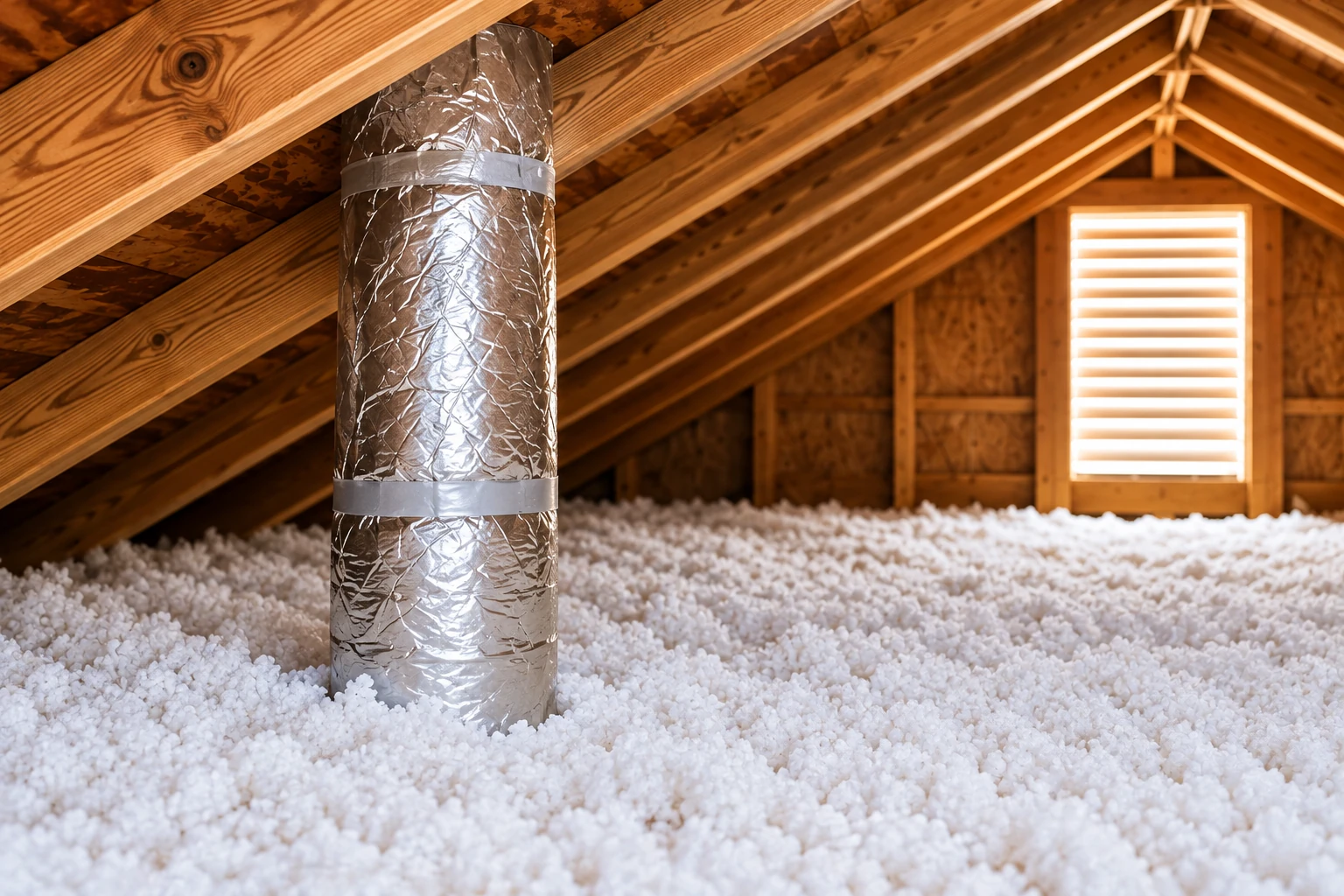
Before anyone climbs a ladder, I ask how old the house is, whether it has knob and tube wiring and whether the attic is floored, because older homes usually need the attic cleared and the wiring looked at before anything gets added. On the job, our crew clears out what's stored up there and checks the old insulation, and if it's soaked or full of droppings it comes out, because burying it under new material just hides the problem. Next comes air sealing, which means closing the gaps around can lights, pipes and the attic hatch, so the new layer isn't fighting a draft. Then we add blown-in insulation, loose fill sent through a hose, keeping it clear of the eave vents so the attic can still breathe and bringing it to full depth at the edges, which is where it's most often thin.
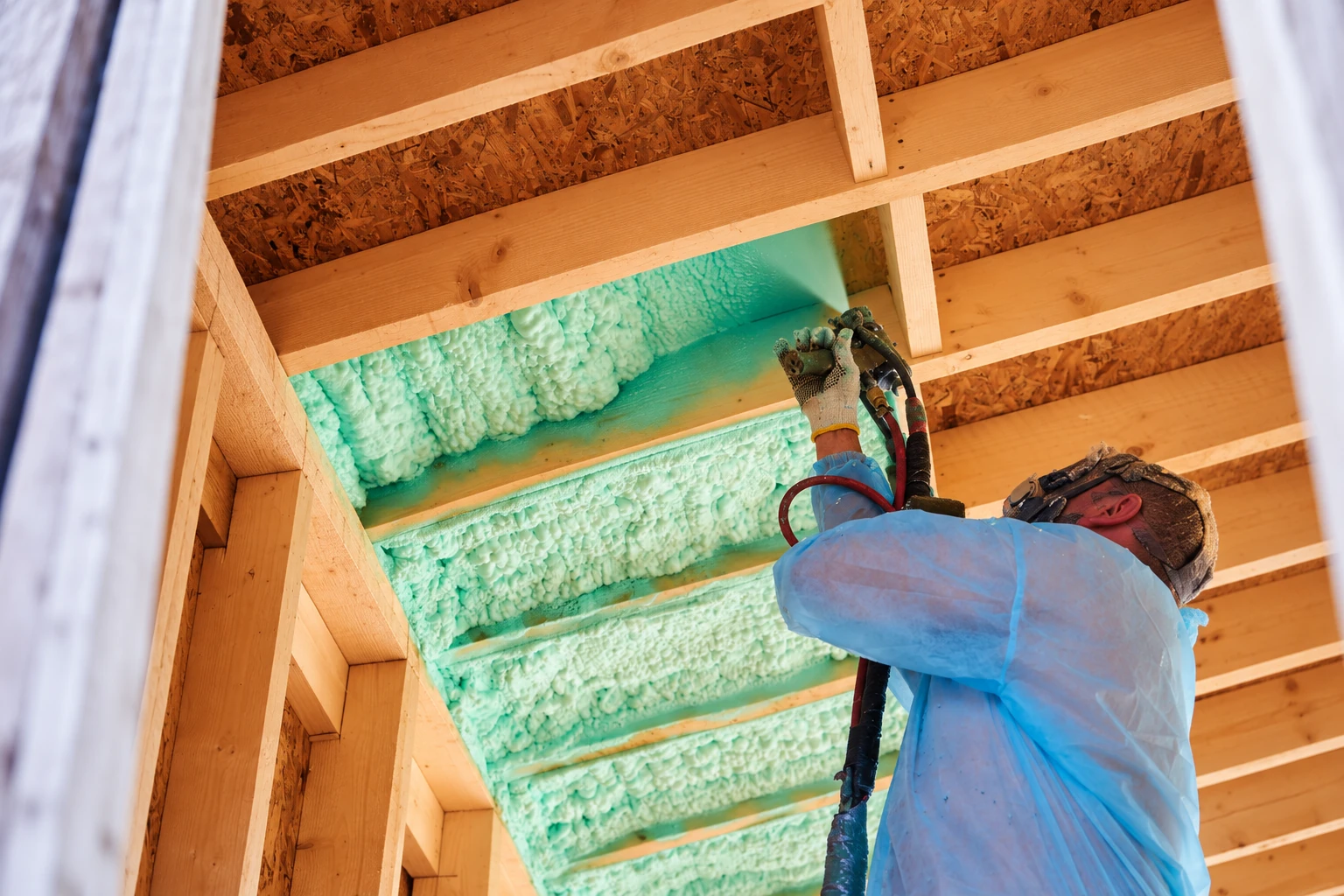
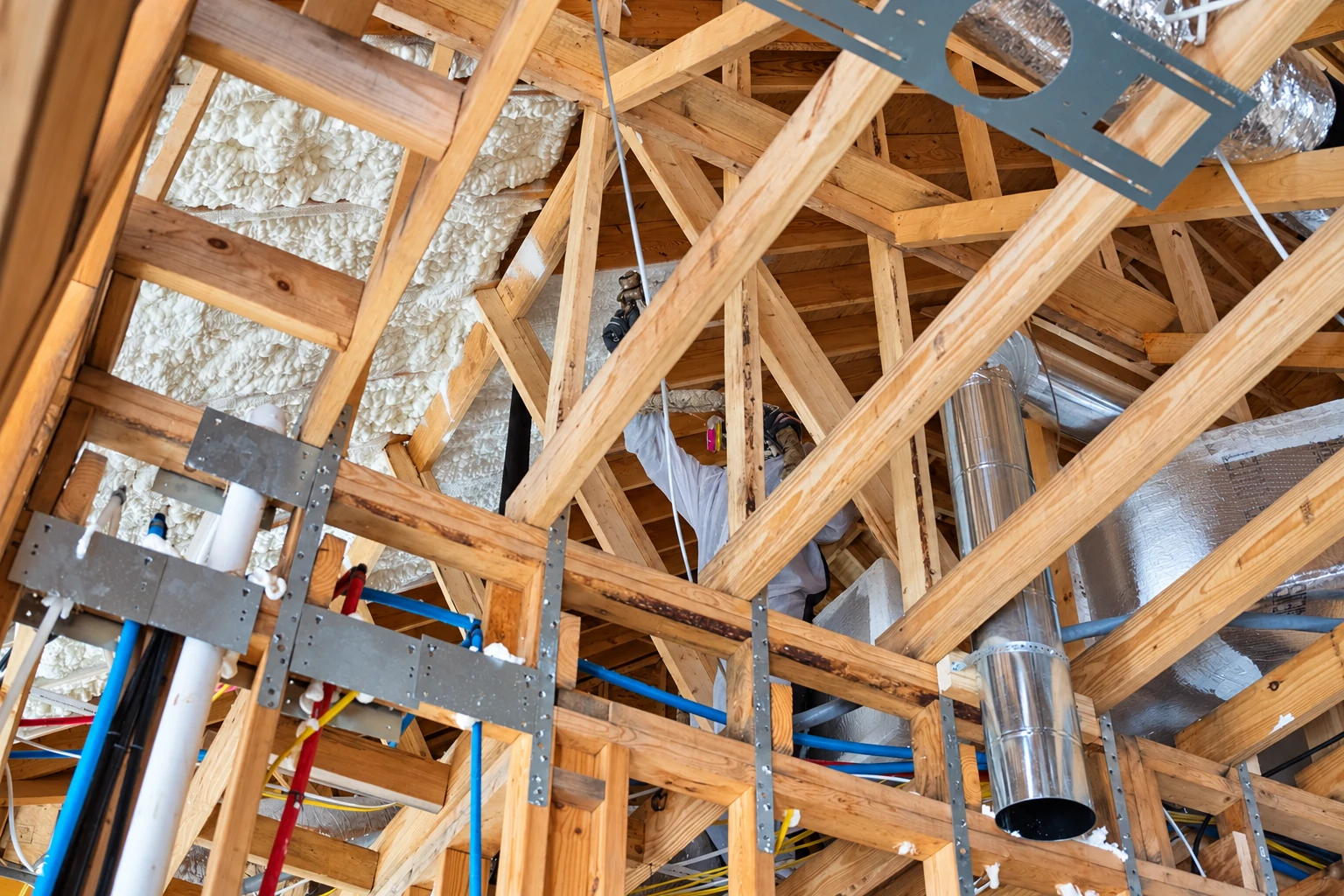
Most retrofits start overhead, and if that's all your house needs, our attic insulation work covers it on its own. The other route people ask about is spray foam insulation, which costs more and seals air while it insulates. Here's my honest take. Sealing the gaps and topping up loose fill usually comes out ahead, unless your ductwork runs through the attic, and that's when foam starts to earn its price.
Why Santa Cruz homeowners call Premier Santa Cruz Insulation Services for retrofits
I do every estimate myself
I come out for every estimate, and our installers do the work with me checking in on the job. Most of our calls come from owners of older homes, so I know which surprises to look for in those attics before we quote anything.
Started because paint couldn't fix drafts
I ran a painting business for years and kept finding cold rooms no coat of paint could fix, so I learned insulation on other crews and started this business in 2023. That's why I'd rather spend a few extra minutes explaining your attic than leave you guessing about it.
Licensed and fully insured
We're licensed and fully insured, which matters when someone is crawling across your ceiling joists next to old wiring. It means you're not the one carrying that risk while the work gets done.
California energy rules, explained up front
We're based in Santa Cruz and work across the county and the cities around it, including over the hill in the South Bay, and California's Energy Code sets efficiency requirements for upgrades to existing homes, not only new ones. Ask me how those rules apply to your attic or walls, and I'll walk you through it at the estimate.
When you're ready, call (831) 201-6061 or use our contact page, and have the house's age, how you get into the attic, whether it's floored and any knob and tube wiring you know about handy to share.
Get a retrofit plan for your attic and walls
We reply to every call and message within one business day, and then I'll set a time to come out myself and look at the attic, the walls and the wiring. The estimate is free and done on site, with no pressure and no obligation, and before I leave you'll know what I'd do first and why.
What retrofit insulation work looks like
What people ask about retrofit insulation
How much does retrofit insulation cost in Santa Cruz?
The cost depends mostly on how much of the house we're insulating and what turns up in the attic, so there's no single price that fits every home. An attic-only job is the simpler one, and adding the walls, hauling out old material or sealing a lot of gaps raises it, while a clear attic with easy access keeps it down. I'll give you your own figure after I've been up there.
What is the best way to add insulation to an older attic?
Seal every opening through the attic floor first, then add the new insulation. That's what federal energy guidance says for existing vented attics, because insulation laid over an open gap still has air moving through it. When you compare quotes, ask whether this sealing is included and what it's done with, such as sealant, spray foam or rigid blocking.
How do I insulate existing walls without tearing them open?
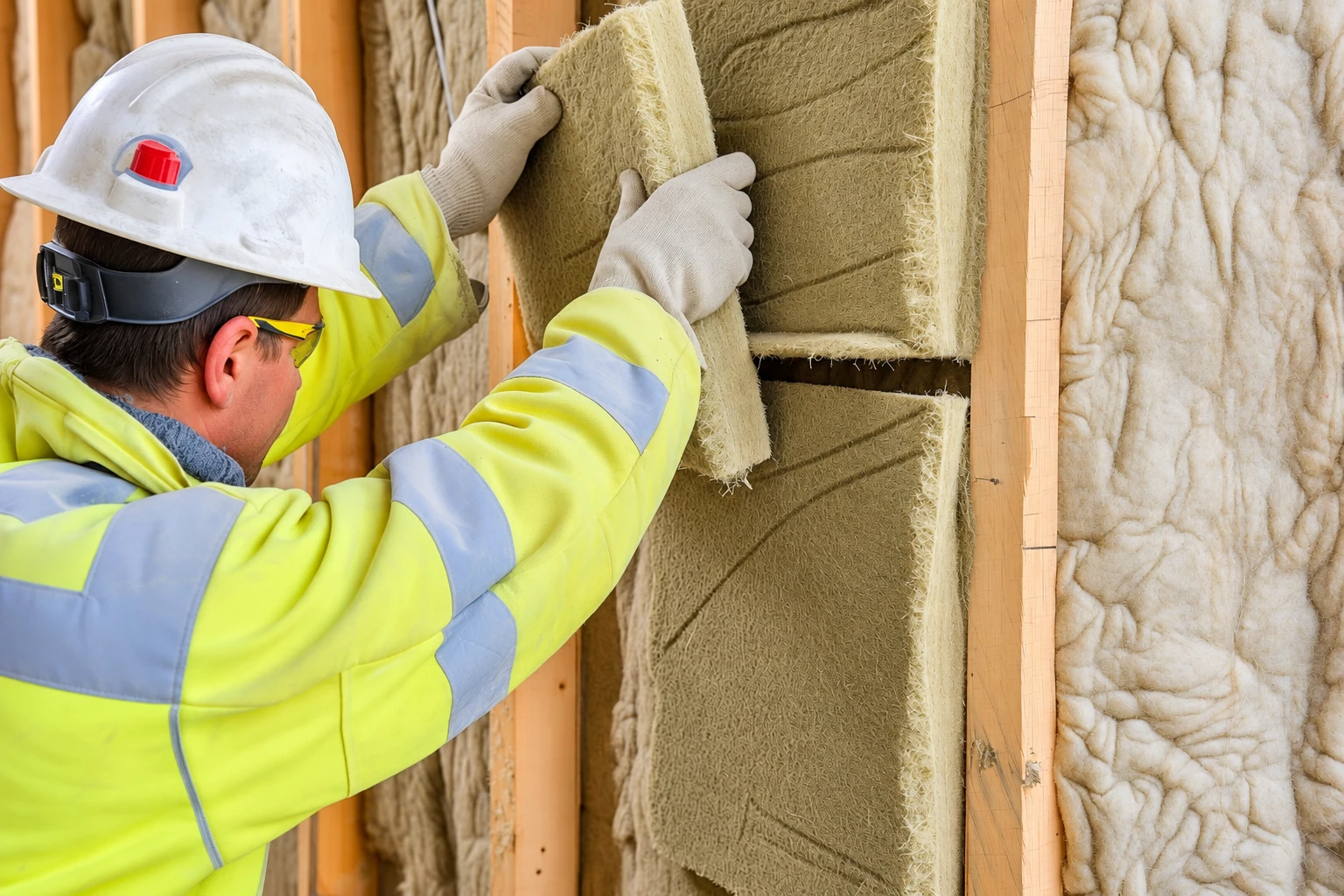
Existing walls are usually filled through small holes drilled near the top of each wall cavity, from inside or outside, a method called drill and fill. Holes made inside are patched with drywall or foam plugs and joint compound, then sanded and painted, and they leave the water-shedding layer behind your siding alone, while holes made outside break that layer, so it has to be patched or replaced. If your house was built before 1980, the same guide says to be aware of lead safety rules, so ask how much wall surface the job will disturb.
Can insulation be blown in around knob and tube wiring?
No, not according to a federal energy guide, which reads the National Electrical Code as not allowing insulation on or around knob and tube wiring. That's the old system of wires strung along porcelain knobs and tubes found in a lot of older houses, so tell us at the first visit if you know or even suspect you have it. We settle the wiring question before any insulation goes near it.
Do I need a permit to add insulation in Santa Cruz County?
The County of Santa Cruz requires a building permit unless the California Building Code and the County Code specifically exempt the work, so it's worth checking before anything starts. We check with the city or county office that covers your address, and when a permit is needed, we take care of it and tell you up front.
Who can install insulation in California?
A contractor licensed by the state, and California's Contractors State License Board has a class just for this, the C-2 Insulation and Acoustical license, which covers installing any insulation for heat or sound control. The board also says a license is required whenever the work needs a permit of any kind or the person hires workers to help, even when the project is under $1,000. So even a small attic top-up calls for a licensed contractor once a permit is involved.
Other insulation work that goes with a retrofit
- Attic insulation
If the walls are fine and the trouble is a cold ceiling or a baking upstairs, an attic-only job may be all your house needs.
- Spray foam insulation
Worth a look when ductwork runs through the attic or a space needs sealing and insulating in one pass.