
Home insulation in Santa Cruz CA - warmer rooms and fewer drafts upstairs
Hot upstairs, cold floors or a power bill that keeps climbing? We find where the heat's getting out and fix it in the right order.
Where do I start with insulating my house?
Home insulation in Santa Cruz starts with sealing the gaps where air slips in and out of your house, then adding the right material to the attic and the other spots that need it, so your rooms hold their heat and the upstairs stops running hot.
Most people who call me have a drafty older house, a room over the garage that never feels right or a remodel coming up, and they aren't sure whether the attic or the crawl space is the real problem. The price mostly turns on how big the attic is, how many gaps need closing, which material makes sense and whether old insulation has to come out first, and the schedule turns on those same things plus whether anything up there needs a specialist before we start. I'll walk through all of it with you at the estimate, so you'll have a number for your own house instead of a guess.
How our home insulation work goes
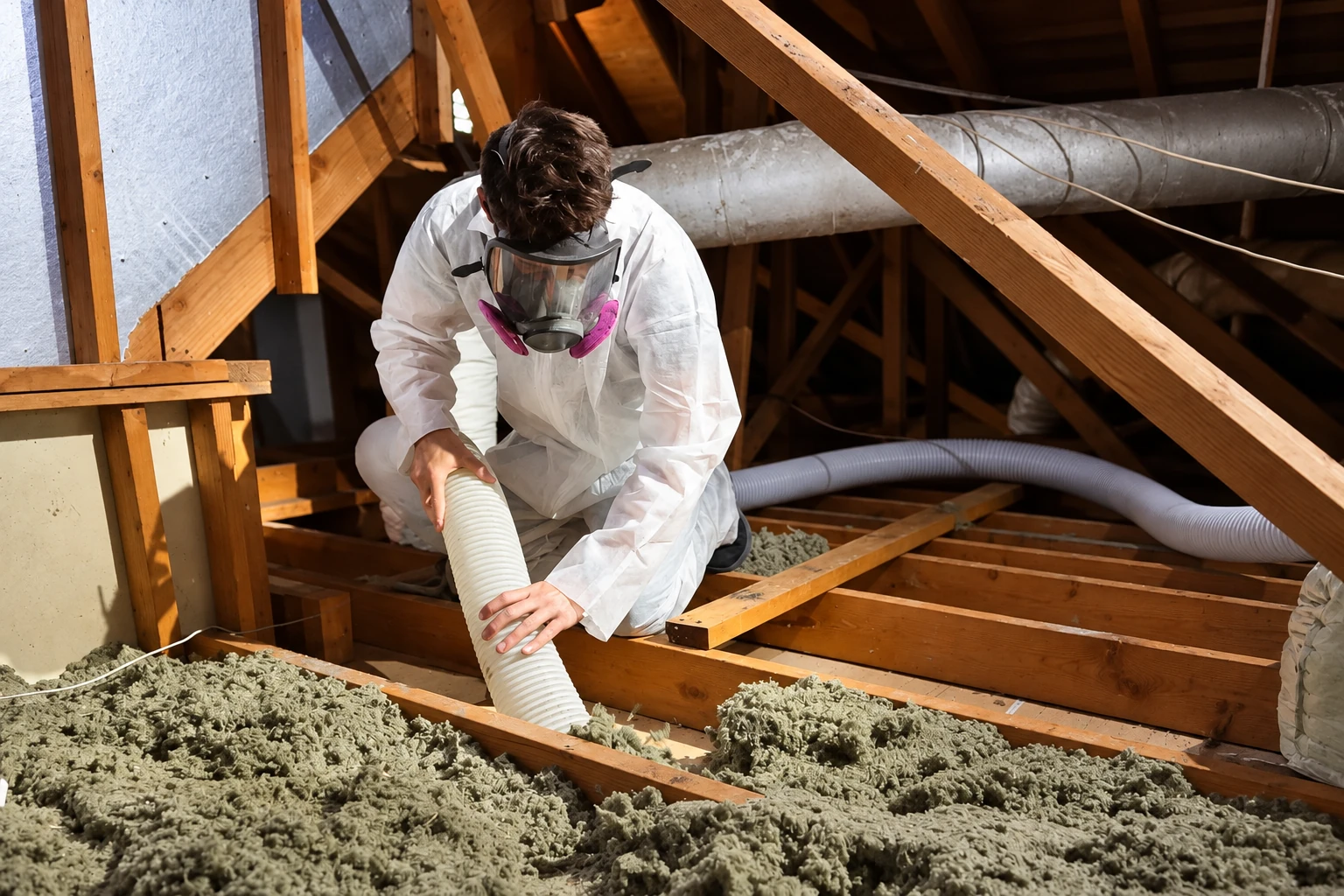
When you're not sure where to start, I look over the whole house and tell you what's worth doing first and what can wait. In the attic I check the old material, the wiring and the roof deck for leaks before anyone picks up a tool, because new insulation laid over a problem just hides it. Then our installers do the air sealing, closing up the gaps around can lights, pipes, wires and the attic hatch, since insulation sitting over a draft is fighting a losing battle. After that we keep the new material back from the chimney and other hot spots, keep the eave vents clear so the attic can still breathe, and spread it evenly right out to the edges, where it's usually thinnest. For most attics I'd rather seal the gaps and top up with blown-in insulation, loose fill blown through a hose, than go with spray foam, because foam costs more and the cheaper route usually does the job. The exception is when your ductwork runs through the attic, and that's when foam sealing the air while it insulates can be worth paying for.
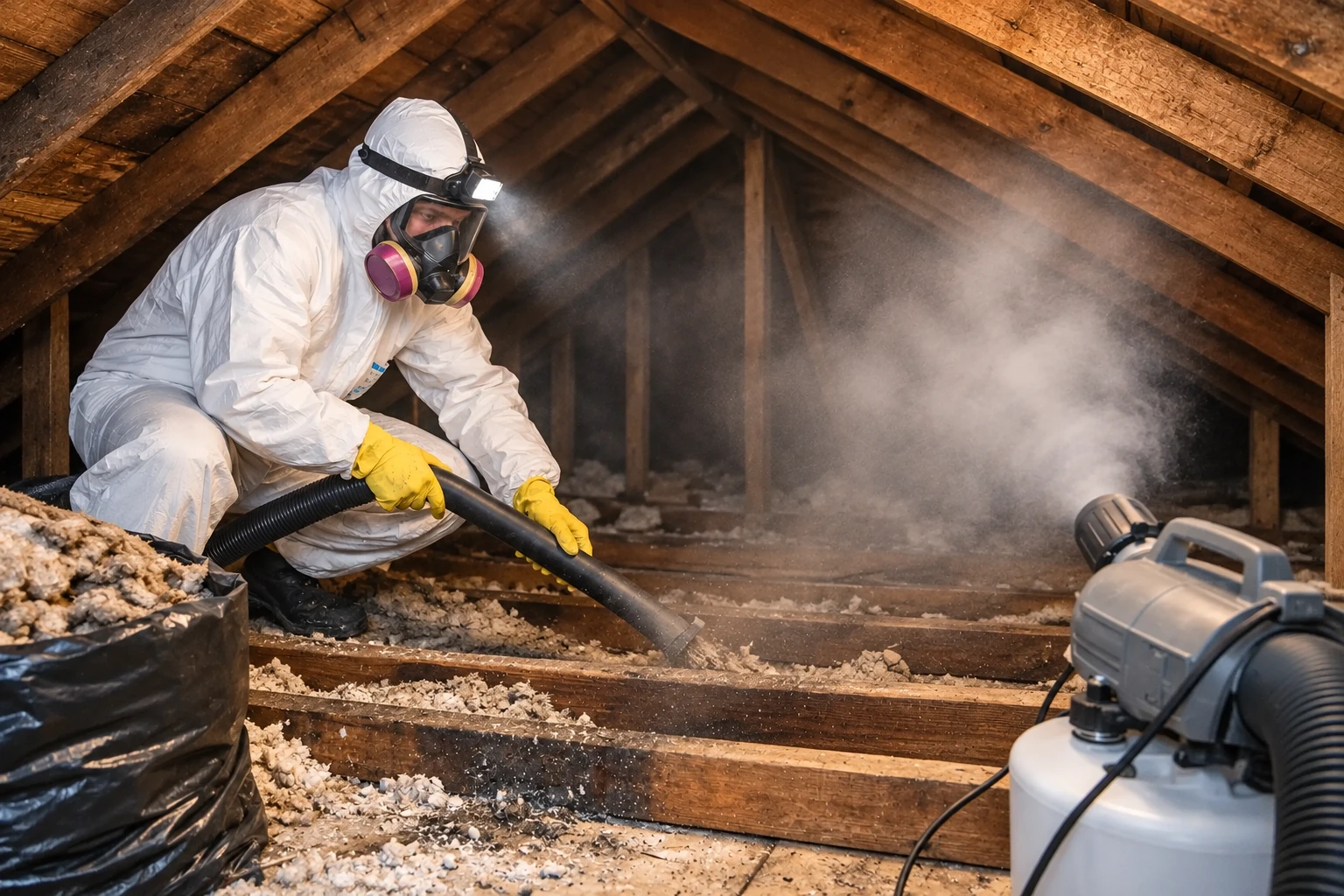
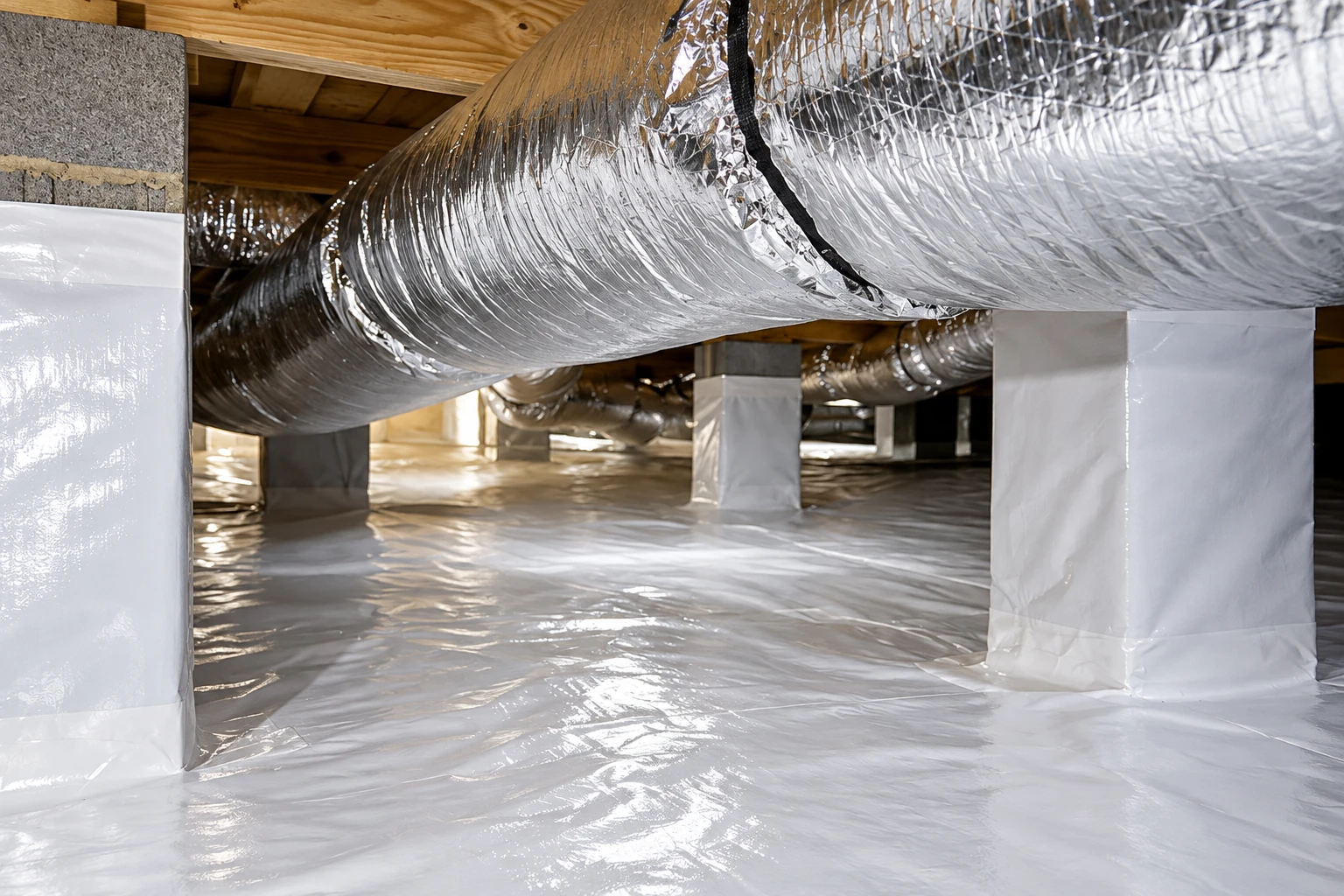
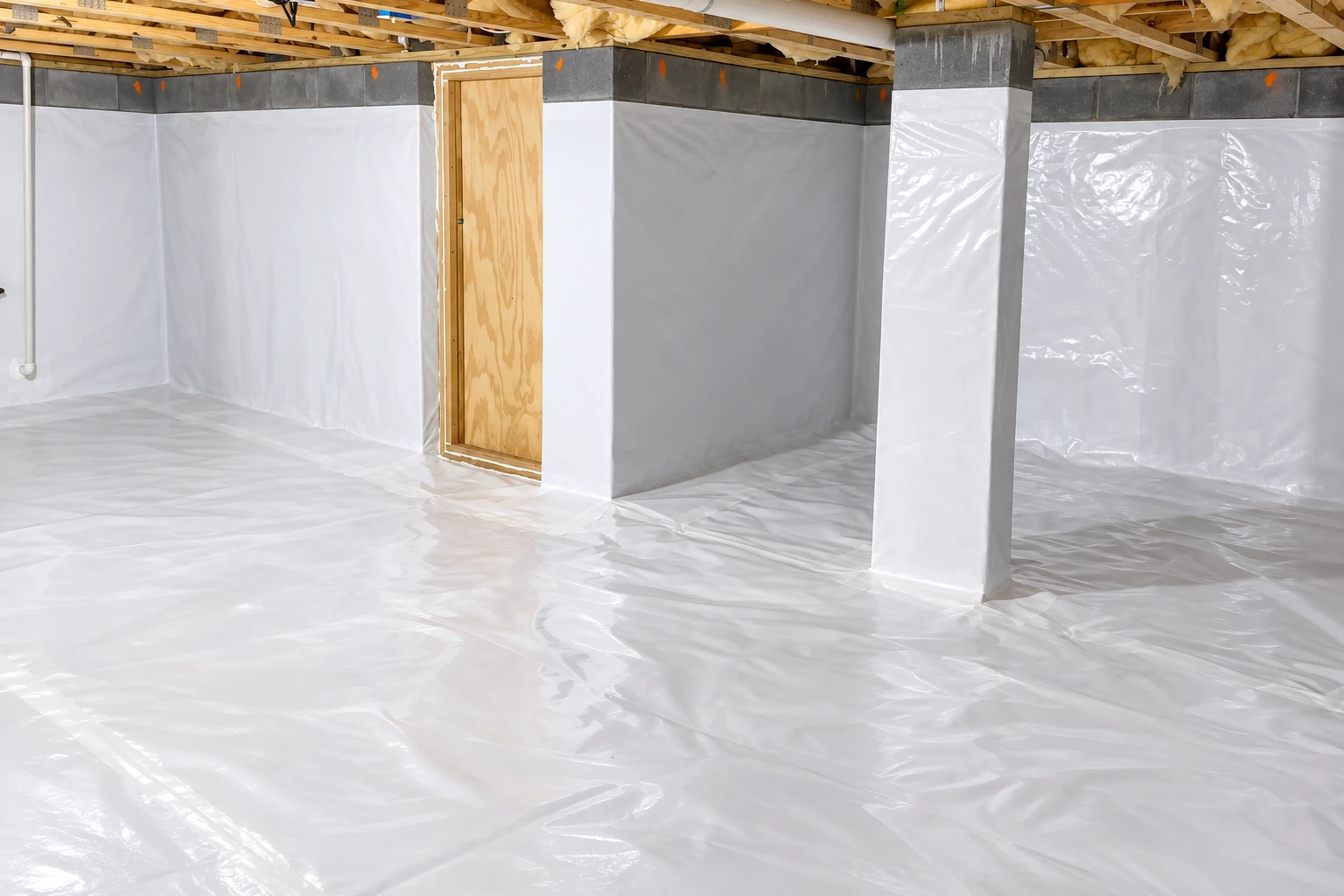
Sometimes the old stuff can't stay. If it's been soaked by a roof leak or is full of droppings, we'll talk about insulation removal before anything new goes in, so the problem leaves with it. And if the cold is coming up through your floors, crawl space insulation may do more for you than another layer overhead.
Why Santa Cruz homeowners call Premier Santa Cruz Insulation Services
I do every estimate myself
I come out to every estimate in person, and once the work starts our installers do it with me checking in on the job. You're talking to the same person who planned the work, so nothing gets lost between your kitchen table and your attic.
Licensed and fully insured
We're licensed and fully insured. That matters when people are working above your ceilings, because you shouldn't be the one carrying the risk if something goes wrong up there.
Doing insulation work since 2023
I painted houses for years and kept finding cold rooms no coat of paint could fix, so I learned this trade on other crews and started this business in Santa Cruz in 2023. That's why I'd rather explain what's going on in your attic than hand you a price and leave.
Planned around California's attic rules
California's energy code has its own section for adding insulation to an existing attic, and some of its standards change with the climate zone your house sits in. We work across the county and the cities around it, including over the hill in the South Bay, so I check which zone your address falls in when I plan the attic.
On this job the order matters more than anything, so the gaps get sealed before new insulation goes in. When you're ready, call (831) 201-6061 or send us a message, and have the rough size of your attic handy, plus anything you've spotted up there that looks like vermiculite or old knob and tube wiring.
Get a plan for insulating your house, in the right order
We reply to every call and message within one business day. I'll come out myself for a free on-site estimate, look over the attic and the rest of the house, and tell you what's worth doing first and what can wait. There's no obligation, so you can take the plan and think it over.
What careful insulation work looks like
Questions before you insulate your house
What is the best type of insulation for an older house in Santa Cruz?
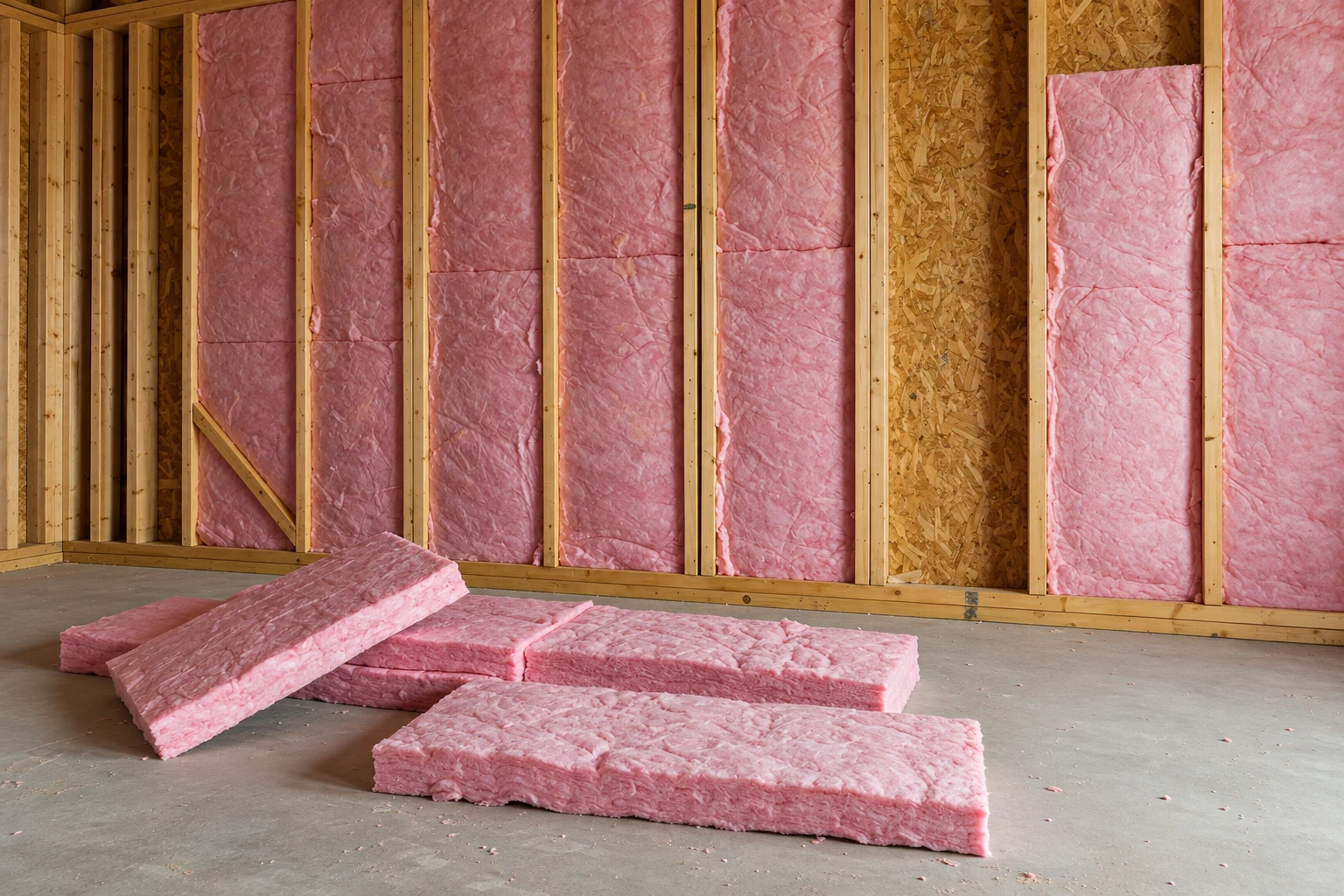
For most attics it comes down to batts, the pre-cut blanket panels that are the most common insulation in US homes, or loose fill, which can fill any space without disturbing the structure or finishes around it. Loose fill tends to suit older houses where you'd rather not open up ceilings, and I'll tell you at the estimate which one fits what's already up there.
Why do you seal air gaps before adding insulation?
Because the money you spend on insulation can be wasted if the holes and gaps in your ceilings, walls and foundation are left open. Air keeps moving through them no matter how deep the new layer is, so we plan every job with the sealing first and the insulation after.
What should I do if my attic has vermiculite insulation?
Leave it alone for now, because the EPA recommends keeping vermiculite undisturbed, since disturbing it could release asbestos fibers into the air. It's a pebbly, pour-in product, usually gray-brown or silver-gold, and if you think you have it, we pause the attic work. If it needs to come out, the EPA says that should go to a trained, accredited asbestos abatement contractor separate from whoever assessed it, so that step comes before anything else happens up there.
How much does attic insulation cost in Santa Cruz?
Installing blown-in attic insulation usually costs about $4 to $7.50 per square foot across the US, and that's a national figure, not a Santa Cruz quote. Your own price moves with the size of the attic, how much sealing it needs and whether old material has to come out first, and I'll give you the number for your house at the estimate.
How do I know if blown-in insulation was put in deep enough?
Ask whether rulers will be stapled up in several spots across the attic, because they show the loose fill went in deep enough and spread evenly. The same rulers let you see later how much it has settled, so they're worth asking about before the job starts.
What should be checked in the attic before insulation goes in?
Before sealing starts, the attic should be checked for live knob and tube wiring, vermiculite, roof leaks, bathroom fans venting into the attic, unvented kerosene heaters or gas fireplaces, and any attic flooring. Each of those can change what's safe to cover or what has to happen first, which is why I go through them with you at the estimate.
Other work that often goes with it
- Insulation removal
When what's up there now is wet, matted down or full of droppings, clearing it out gives the new insulation a clean start.
- Crawl space insulation
If your floors stay cold even with a well-insulated attic, the crawl space underneath is often where the heat is going.